
Most luxury brands kill their positioning on social media. A premium product, photographed badly, captioned casually — and suddenly you look like an Amazon listing.
A real luxury brand social media strategy treats every post as a brand asset. Not a sales pitch. Not a discount banner. A piece of the story.
This guide breaks down exactly how to market a luxury brand on Instagram and TikTok in 2026: the visual standards, the content pillars, the targeting that reaches buyers (not browsers), and the production approach that makes your brand feel exclusive without being inaccessible.
If you're building a luxury brand Instagram strategy or running premium brand social media for any high-end category — fashion, jewelry, automotive, hospitality — this is the playbook.
Why Most Luxury Brands Fail at Social Media
The most common mistake luxury brands make on social media is treating it like a promotional channel instead of a brand-building medium. They post sale announcements, event flyers with cluttered graphics, and product shots that look like stock photography. Every one of those posts chips away at the perception of exclusivity that justifies a premium price. When a $15,000 watch is photographed on a white table with an iPhone, your customer — who could afford it — simply doesn't believe in the brand anymore.
The second failure is chasing engagement metrics that don't matter. Likes and follower counts are vanity unless they correlate to buyer intent. Many luxury brand marketing teams celebrate posts that went viral among people who will never buy. A video of your product going to a million people in the wrong income bracket isn't a win — it's noise that dilutes your signal. The right strategy is narrower, deeper, and more deliberate than most social media managers are comfortable with.
The third and most damaging mistake is inconsistency. Luxury positioning is built on repetition. Every touchpoint — feed post, Story, Reel, ad creative — must reinforce the same visual language, the same tone, the same emotional promise. A single off-brand post can fracture the carefully constructed perception your audience has of you. This is why world-class luxury houses treat each content decision as a creative direction decision, not a scheduling decision.
Understanding these failure modes is the prerequisite to building a premium brand social media presence that actually moves high-intent buyers. Everything in this guide builds from that foundation.
The Visual Standards of a Luxury Brand Social Media Strategy
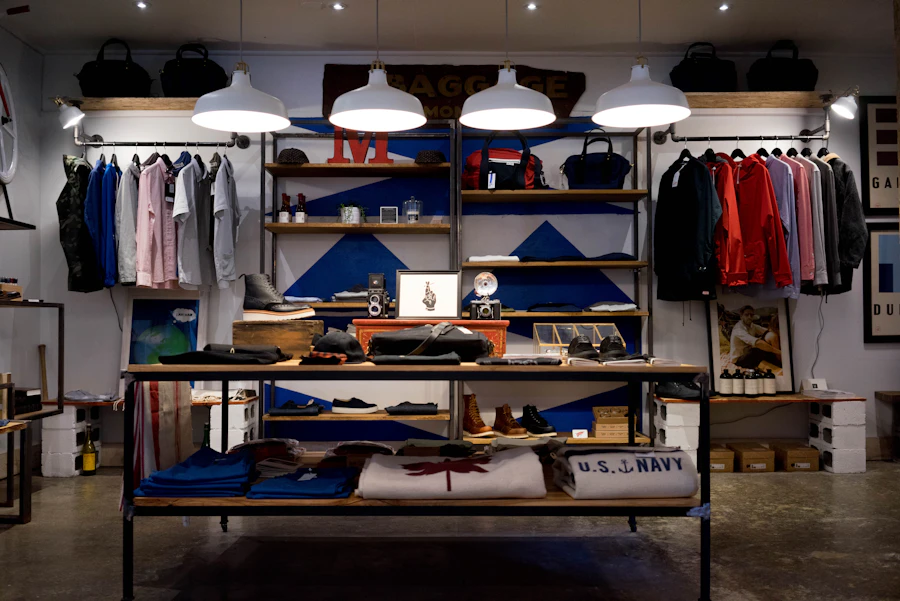
Visual consistency is the single most important technical element of a luxury brand social media strategy. Your audience makes a judgment about your brand in under two seconds — before they read a word of copy. That judgment is based entirely on visual signals: the color palette, the lighting quality, the composition, and the way the product is treated relative to its environment. Every one of those signals either reinforces or undermines your price point.
The starting point is a defined visual identity: a core color palette of two to four tones, a lighting approach (cool and editorial, warm and intimate, or high-contrast and dramatic), and a consistent compositional style. Whether your aesthetic leans minimal and architectural or rich and layered, the key is that it is deliberate and applied without exception. When someone scrolls your grid, they should feel the brand before they consciously register what they're looking at.
Production quality is non-negotiable in this category. For still photography, that means professional lighting, proper lens selection, and post-processing that enhances without distorting. For video — increasingly the dominant format across both Instagram and TikTok — it means cinematic frame rates, controlled depth of field, intentional camera movement, and color grading that matches your brand palette. The difference between content that signals luxury and content that undermines it often comes down to lighting temperature and color science. Those details are invisible to an untrained eye, but they register emotionally at a subconscious level.
Text and typography on visual content deserve equal attention. Many luxury brands produce excellent photography, then overlay it with a font that belongs on a supermarket flyer. Your typography is part of your visual identity. Use it sparingly, choose it carefully, and ensure it extends — not contradicts — the premium feel of the image beneath it.
Content Pillars: How to Market a Luxury Brand
A coherent content strategy for a luxury brand is built on three to four content pillars that rotate consistently. Unlike mass-market brands that can afford to be topically scattered, luxury brands need a tighter narrative framework. The pillars define what you talk about, how you talk about it, and in what proportions — so your feed reads as a curated editorial voice rather than a random collection of posts.
The first pillar is craftsmanship and origin. This is the story of how the product is made, who makes it, what materials are chosen and why, and what standards govern quality control. This content type is uniquely powerful for luxury because it directly justifies the price premium. A behind-the-scenes video showing the stitching process on a handmade bag, or the metallurgical process behind a watchcase, doesn't just entertain — it converts skepticism into belief. Buyers who understand why something costs what it costs don't need to be convinced to pay it.
The second pillar is lifestyle and aspiration. This is not about your product specifically — it's about the life your buyer is living or aspiring to live. The environments they inhabit, the aesthetics they value, the experiences that define their social identity. Your product exists within that world, not as the hero, but as a natural fit. This is how top-tier luxury brands operate: the product is almost incidental in lifestyle content. The goal is to make the viewer feel that your brand belongs to a world they want access to.
The third pillar is social proof and authority. This includes editorial features, industry recognition, collaborations with respected figures, and testimonials from credible sources. In luxury, authority transfer is everything. When a respected voice — a publication, a known collector, an influential tastemaker — endorses or is associated with your brand, that endorsement carries far more weight than any amount of paid promotion. Build this pillar deliberately and protect it fiercely; one wrong association can undo years of positioning.
Want cinematic content produced for your brand? See our luxury brand marketing services — we handle content strategy, production, and paid distribution.
Luxury Brand Instagram Strategy — Reels, Posts, Stories
Instagram remains the primary platform for luxury brand Instagram strategy in 2026, but the way the algorithm distributes content has shifted significantly. Static grid posts still matter for brand identity — your grid is the first thing a new follower evaluates — but Reels drive the majority of discovery reach. Stories serve as the relationship layer: more personal, more immediate, and better suited for driving direct action from an already-engaged audience. Each format serves a different function in your funnel, and confusing them is a common strategic error.
For Reels, the luxury approach is counterintuitive: slower, not faster. The instinct on short-form video is to cut quickly and front-load the hook. For luxury content, a slower reveal — a hand reaching for a product, a door opening onto a beautiful space, a close-up of texture before pulling out to the full shot — does more brand work than a rapid montage. The pace itself signals premium. When every other brand is competing for three-second attention spans, a confident, unhurried Reel stands out precisely because of its restraint.
Static posts and carousels are the backbone of your visual identity archive. Think of every high-quality static post as a permanent portfolio piece. Carousels, when done well, outperform single images on reach because they generate multiple slide interactions — the algorithm interprets this as extended engagement. For luxury brands, carousels work particularly well for product storytelling: image one is the visual hook, images two through five deliver the narrative (material, detail, context, lifestyle), and the final image or slide is the quiet call to action.
Stories deserve a distinct content strategy, not repurposed feed content. Use Stories for time-sensitive content: event coverage, new arrivals, limited availability, behind-the-scenes glimpses that feel exclusive to your Story audience. The ephemeral nature of Stories actually serves luxury positioning — it creates a sense of access and urgency without the permanence that would dilute your grid. DM-based conversion happens almost exclusively through Stories, which makes them the most commercially direct format on the platform.
Every touchpoint — feed post, Story, Reel, ad creative — must reinforce the same visual language, the same tone, the same emotional promise. A single off-brand post can fracture the carefully constructed perception your audience has of you.
TikTok for Premium Brands
TikTok for luxury brands is no longer an experimental channel — it's a primary discovery platform for affluent buyers under 45. The concern that TikTok's mass-market feel is incompatible with luxury positioning is outdated. The platform's recommendation algorithm is interest-based, not demographic-based, which means highly targeted, niche luxury content consistently finds its way to the right audience regardless of follower count. The question isn't whether to be on TikTok — it's how to show up in a way that protects your brand.
The answer is to adapt the format, not the identity. TikTok's native content conventions — direct address to camera, trend participation, casual pacing — are not requirements. They're defaults that work for some content categories. For luxury brands, the more effective approach is to bring your cinematic standards to the platform: product showcase videos that feel like mini-documentaries, process videos shot with the same visual quality as your Instagram Reels, narration that is informed and authoritative rather than enthusiastic and casual. The novelty of seeing genuinely high-production content on a platform where most content is shot on iPhones in good lighting creates inherent stop-scroll power.
Sound design is a dimension of premium brand social media that many brands overlook on TikTok. The platform is an audio-forward environment. Original audio, ambient sound from production environments, or carefully licensed music that matches your brand aesthetic can be as powerful a differentiator as visual quality. Some luxury brands have built recognizable audio signatures on TikTok — a specific type of music, a recurring voice-over style — that audiences begin to associate with the brand before the logo even appears.
Also read: How to market a car dealership — automotive dealerships are a natural fit for this luxury content approach.
Targeting: Reaching Buyers, Not Browsers
Distribution strategy is where most luxury brand social media strategies collapse. You can produce the most beautiful content in your category, but if it reaches the wrong audience it does nothing — and worse, it trains the algorithm to continue showing your content to low-intent users. Targeting in luxury requires a different philosophy than mass-market paid social: you want a smaller, more expensive audience of verified buyers, not the broadest possible reach.
On Meta, the most effective targeting approaches for luxury brands combine interest and behavior signals with income and life-stage indicators. Layering luxury travel interests with high household income estimates and purchase behavior signals around premium categories gives you an audience that is small by mass-market standards but dramatically more likely to convert. Lookalike audiences built from your existing customer list — particularly customers above a certain purchase threshold — consistently outperform broad interest targeting because they capture behavioral patterns the interest model misses.
Retargeting is the highest-returning layer of any luxury brand marketing paid strategy. Website visitors, video viewers who watched 75% or more of a content piece, and Instagram profile visitors who engaged with multiple posts are all warm audiences that have already demonstrated intent. The cost per conversion from these segments is typically three to five times lower than cold audiences, and the quality of buyer is higher because they arrived at the ad having already had multiple brand impressions. A proper retargeting architecture for a luxury brand should sequence from awareness content to consideration content to a direct conversion creative, with different messaging at each stage.
Organic targeting — the practice of using hashtags, audio, and content format selection to influence who the algorithm serves your content to — is equally important. For luxury brands, this means being deliberate about which hashtags you use (niche, high-intent tags rather than mass-market volumes), participating in platform-native audio that over-indexes with affluent audiences, and calibrating your content's pacing and production style to attract the saves and shares that signal quality to the distribution algorithm.
Production: Cinematic Content on a Realistic Budget
The idea that cinematic content production requires a six-figure budget is a myth that keeps many capable luxury brands from competing effectively. The real driver of production quality is not equipment cost — it's creative direction, lighting knowledge, and post-production discipline. A production team that understands light, composition, and color can produce genuinely premium content with a mid-range mirrorless camera and thoughtful location scouting. The brands that look the most expensive on social media are often the ones with the clearest visual direction, not the largest budgets.
The most scalable approach for luxury brands is a monthly content production day: a structured half-day or full-day shoot that captures enough content across multiple formats and aspect ratios to fuel the entire month's calendar. This approach is far more cost-effective than ad hoc production, and it ensures visual consistency because all content from that month shares the same shoot day's light, location, and styling. Before the shoot, every shot is storyboarded — not loosely planned, but specifically mapped out by post format, intended platform, and position in the content calendar.
Post-production is where the premium feel is locked in or lost. Color grading — matching tones across all assets, applying your brand's color science to every piece of video and photography — is the difference between a cohesive brand presence and a scattered one. Many brands skip this step or treat it as optional. For luxury content, it is not optional. The consistency of your visual color language across three months of content is what trains your audience's eye to recognize your brand before they read your name. That recognition is worth more than any individual piece of content.
Mistakes That Cheapen Your Brand
The fastest way to destroy a luxury brand's social media positioning is to discount publicly. Any post that features a percentage off, a limited-time sale, or a "special offer" directly contradicts the brand promise that justifies a premium price. Luxury is not about value — it's about desire. The moment your customer sees a discount, they recalibrate their perception of what your product is actually worth. Avoid it entirely on social channels. If you run promotions for business reasons, do it through private channels, email, or one-to-one outreach to existing clients.
Inconsistent visual execution is the second major mistake. This happens when social content is created by multiple parties — an in-house team for some content, a freelancer for others, a PR agency for event coverage — without rigorous adherence to a visual style guide. Even a single off-brand post breaks the trained pattern recognition you've built in your audience. Every content creator who touches your brand's social output needs to work from the same creative brief, the same reference set, and the same approval process. There is no room for freelance interpretation on a luxury feed.
Over-posting is the third mistake, and it runs counter to most social media advice. Volume is the enemy of luxury positioning. When a brand posts four times a day, it signals availability, not exclusivity. The right cadence for most luxury brands is five to seven posts per week across formats — enough to remain algorithmically relevant and top-of-mind, not so much that each post loses significance. Every piece of content should feel considered. If you're posting because you need to fill a slot in the calendar, you're producing content that will actively undermine your brand.
Finally, misusing user-generated content is a risk that many brands don't take seriously enough. Customer photos can be powerful social proof, but only when the production quality meets your brand's standard. A customer photo that was shot in poor lighting and posted to your brand's grid because it shows someone enjoying your product is a net negative for brand perception. Curate UGC ruthlessly, or create a separate channel — a Story highlight, a hashtag page — where it can live without contaminating your primary brand feed.
